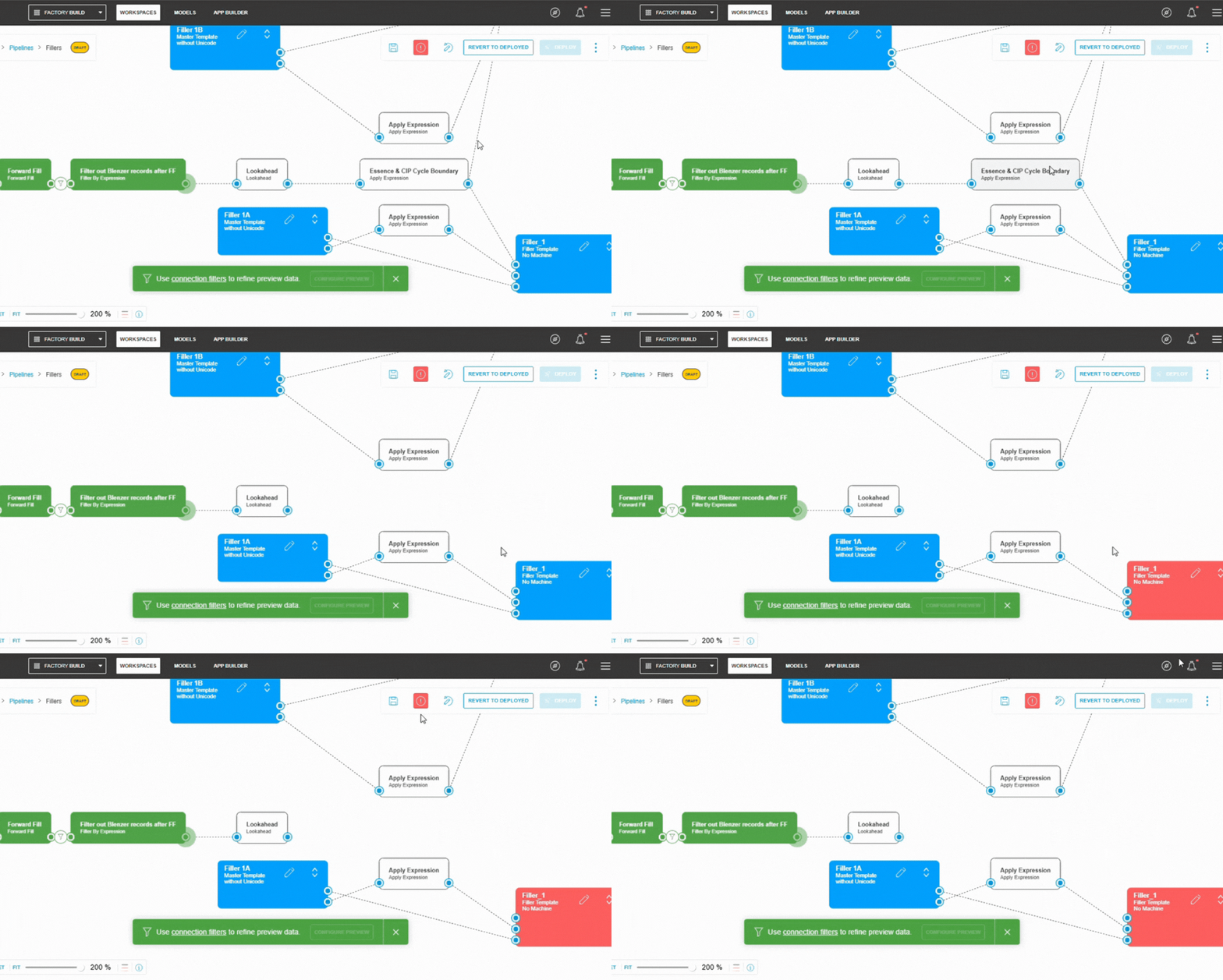
Templates are powerful tools for centralizing and reusing logic. However, in certain instances, you may need to either delete a template or create a slightly modified version. This guide will explain how to copy templates for making minor adjustments and how to delete templates that are no longer needed.
Copying Templates
In certain situations, you may encounter a template that closely aligns with your needs but requires minor adjustments. Rather than building from scratch, you can duplicate the template and tailor it to your specific requirements.
This guide explains how to create a new template by copying an existing one and making minor modifications.
Step 1: Access the Operator Library, locate an existing template to use as a starting point, and select Copy from its overflow menu.
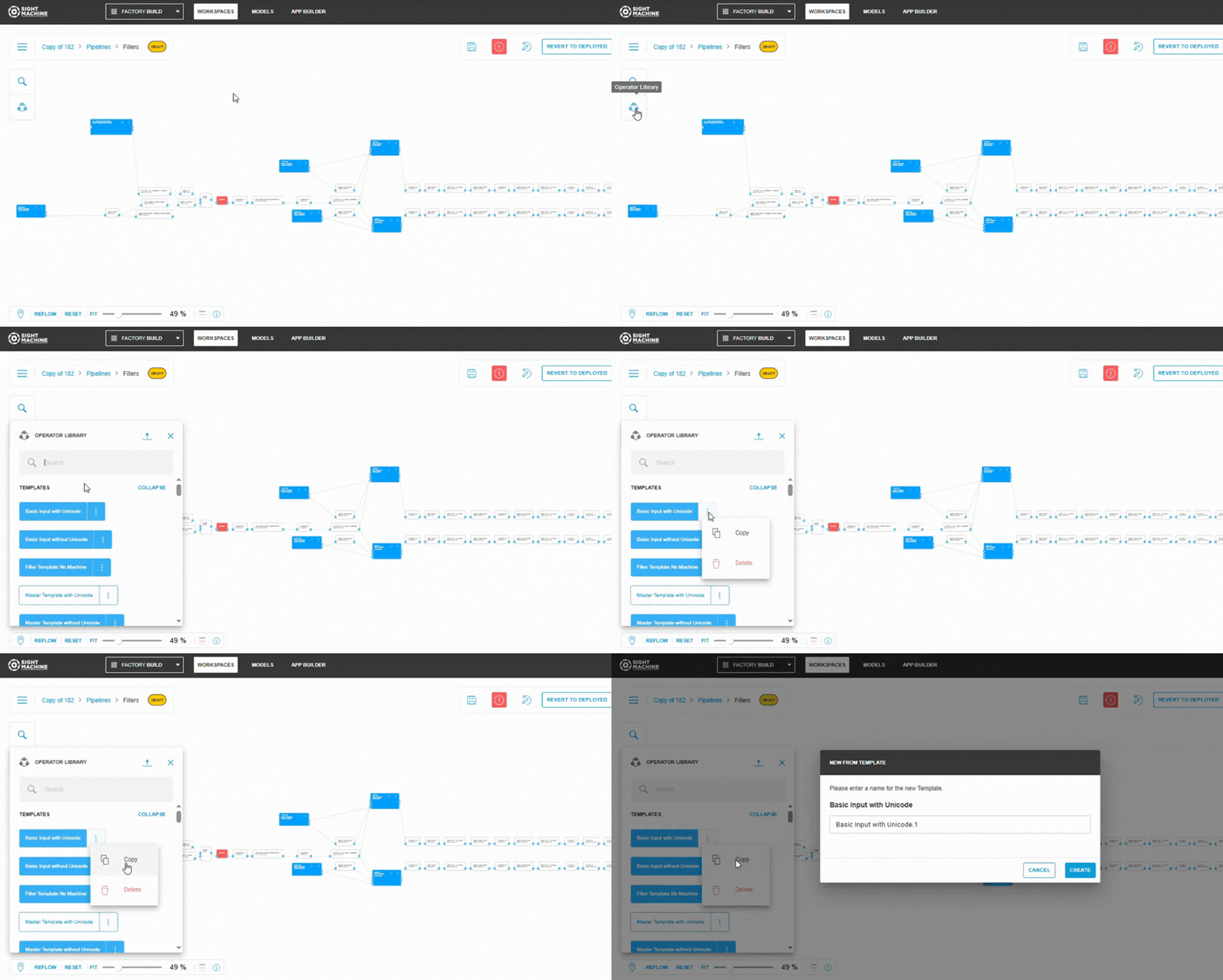
Step 2: Assign a unique name to the new template to distinguish it from the original. Add the new template to your canvas and modify its configuration to finalize the creation process.
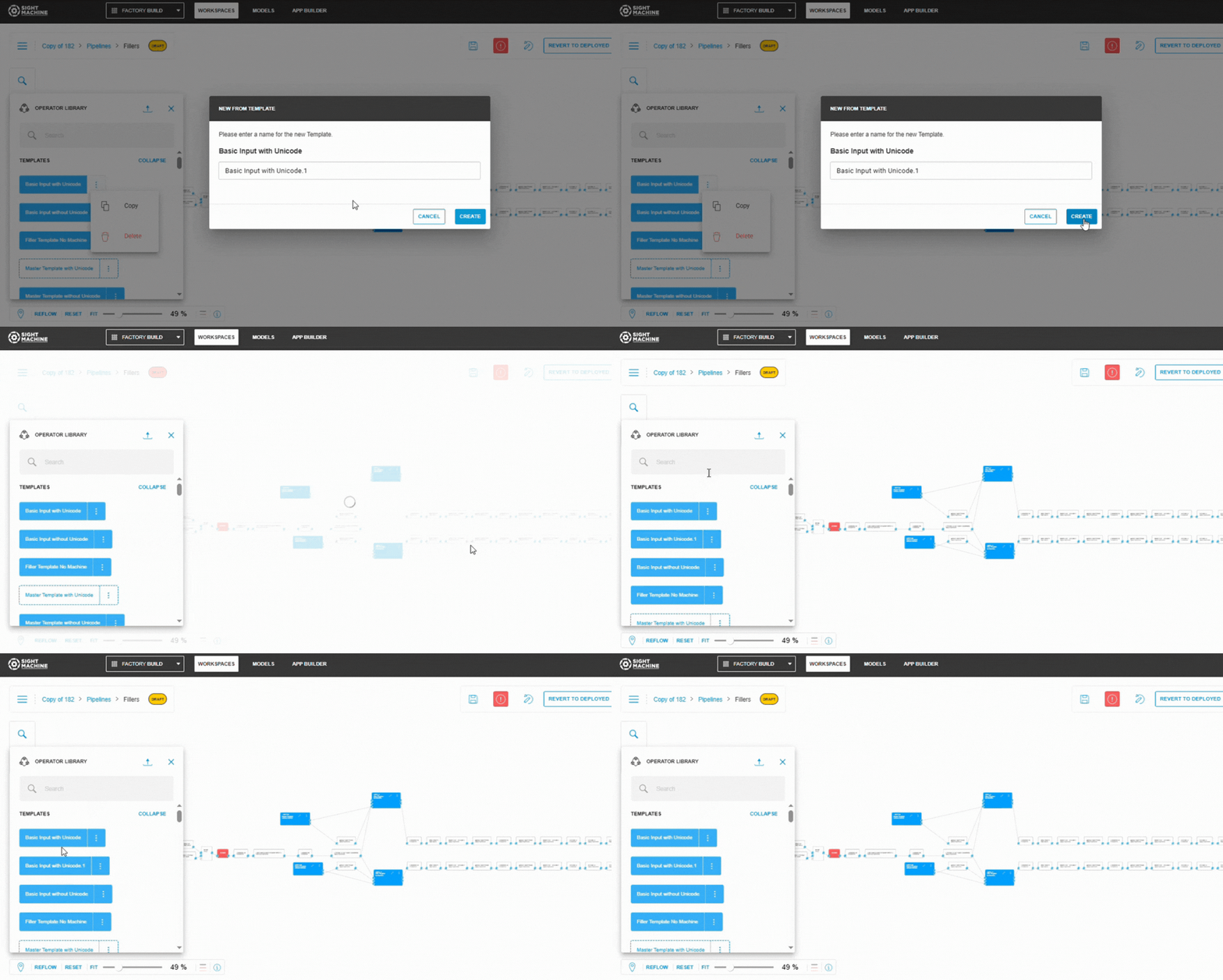
This process simplifies the creation of a new template by leveraging the work already done on an existing one.
Deleting Templates
After utilizing templates, you may find that some are no longer necessary. This guide will explain the process of deleting templates, including the potential impacts of their removal.
This guide explains how to delete a template from the operator library. Remember, this action is permanent and will also affect associated operators.
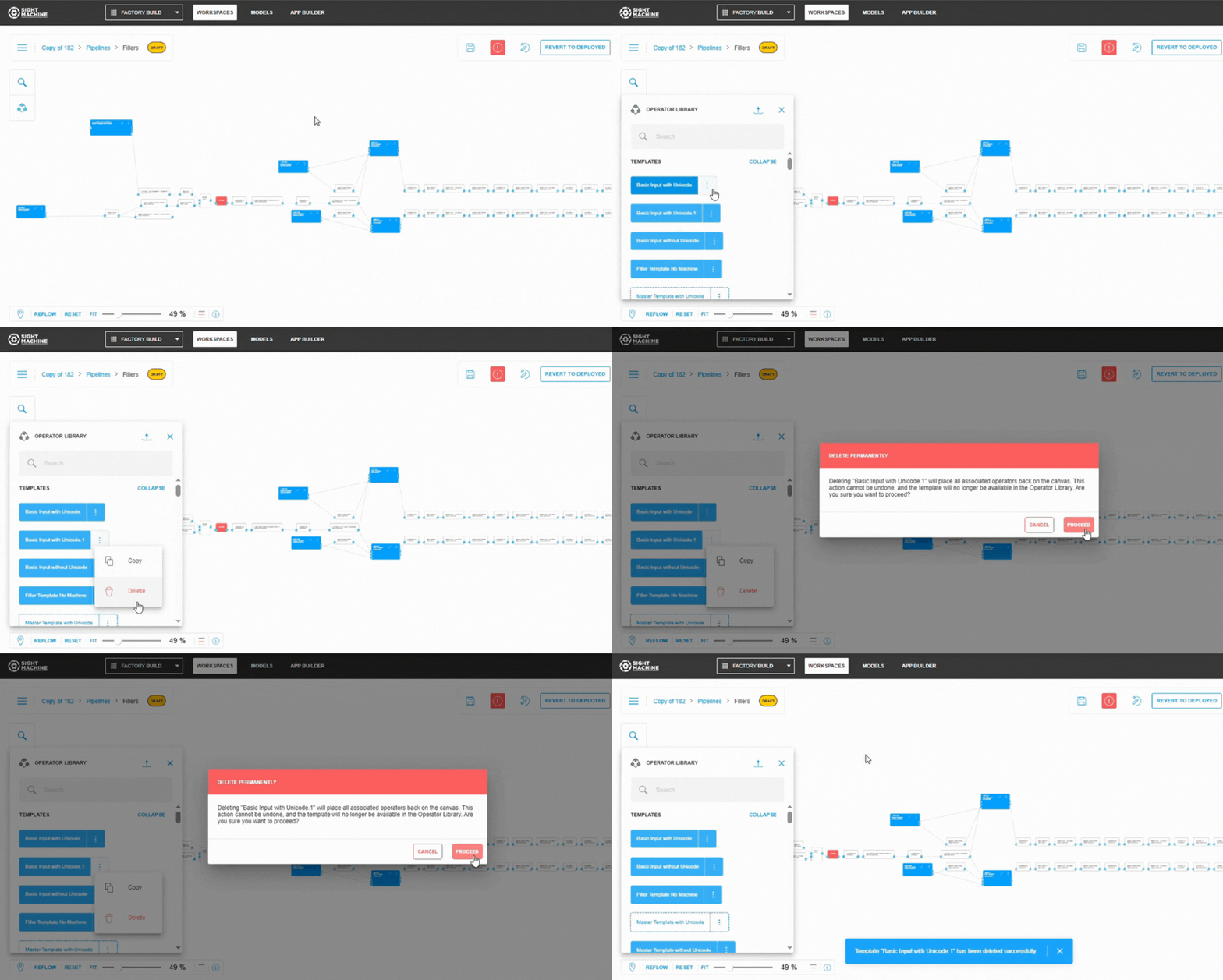
Step 1: Navigate to the Operator Library, locate the template you wish to remove, and select Delete from the overflow menu. Confirm the deletion after the permanent action warning appears; the template will vanish from the library, and its internal operators will automatically be released and selected on the canvas.
Step 2: To completely clear the remaining components, right-click the selected operators on the canvas and choose Remove from Canvas.